Confirm the game and the practical details
For a first visit, start by asking whether the center offers standard ten-pin bowling and whether you need to reserve a lane. Duckpin and candlepin use different equipment and rules; this guide describes ten-pin. Ask how the session is charged, when your booked time begins, and what equipment is included. Those details come from the center, rather than from the word bowling on a listing.
Tell staff that you are new before your session starts. Ask for help with shoe fit, selecting a ball and using the scoring screen. If you need a different way to deliver the ball, explain what would make the activity workable and ask what the center can provide. Do not assume that ramps, bumpers or a particular shoe size will be available.
Choose a ball you can control
Choose manageable equipment rather than copying another player's ball weight. Support the ball with your other hand while checking its fit. With a conventional three-hole house ball, the thumb, middle finger and ring finger go into the holes; ask staff to check the fit if the fingers feel trapped or you have to squeeze hard to hold it. You can change your selection before continuing.
USBC's equipment guidance emphasizes matching ball fit and weight to the bowler. That is more useful than a fixed weight target for every beginner. Ask for assistance if lifting or carrying a ball does not feel manageable. Keep hands clear of moving parts at the return, and never reach into a machine to retrieve a stuck ball.
Find the approach and a nearby target
The approach is the area where you prepare and take your steps. The foul line marks its boundary with the lane. Finish on your side of that line: under USBC's basic rules, touching the lane or other playing territory beyond the line during a delivery can be a foul. Do not walk down the lane to investigate a ball or fallen pin.
Look at the dots and arrows on your lane before concentrating on the distant pins. Choose one visible target for a first attempt, and note where your feet start. The purpose is to give the next attempt something repeatable. You do not need to find a special board number or make the ball curve to begin learning what your delivery does.
Try a simple four-step rhythm
The USBC four-step approach offers one starting pattern. A right-handed bowler steps right, left, right, left; a left-handed bowler reverses that order. Begin the ball's movement with the first step, let it travel into a relaxed backswing, and let it return forward as the final step finishes. Begin slowly enough to coordinate the movements without rushing.
Rehearse the steps without a ball first, allowing space to stop before the foul line. Your starting distance depends on your stride, so adjust it rather than stretching the last step. A four-step delivery is an option to learn, not a requirement to copy despite discomfort. Ask staff or an instructor about a shorter approach or another suitable setup if this pattern does not work for you.
Roll smoothly and finish in balance
As the ball swings forward, aim to release it near the ankle of the finishing foot and let your arm continue toward your target. Think of a controlled roll rather than throwing the ball high. USBC's fundamental coaching guidance favors a relaxed swing over forcing the ball with extra muscle. Speed can wait while you learn a repeatable movement.
Keep your attention on balance and where the ball crosses your chosen target. Do not force a long slide or an exaggerated finishing pose. If a shoe sticks unexpectedly or you feel unstable, stop and ask for help before trying again. Wait for the lane equipment to finish its cycle and follow the center's instructions before your next delivery.
Give the first game a useful goal
For the next few turns, change just one thing: your starting position, your target or the pace of your steps. Keep the others similar so you can notice the result. A gutter ball still tells you where the ball traveled. Before stepping up, check that nearby bowlers have room to finish; return to the seating area after your delivery rather than remaining on the approach.
Use the bowling alley directory to find a center and its official contact details, then confirm your visit directly. A worthwhile first session can mean finding shoes that fit, learning the lane controls and making a few balanced deliveries. Record one thing to repeat next time instead of treating a particular score as the entrance requirement for enjoying bowling.
Published 2026-11-13 · reviewed with each rebuild, last November 2026.
Find bowling alleys near you
The directory lists 4,367 bowling alleys by state and city — pick your state or use the “Near me” button in the header.
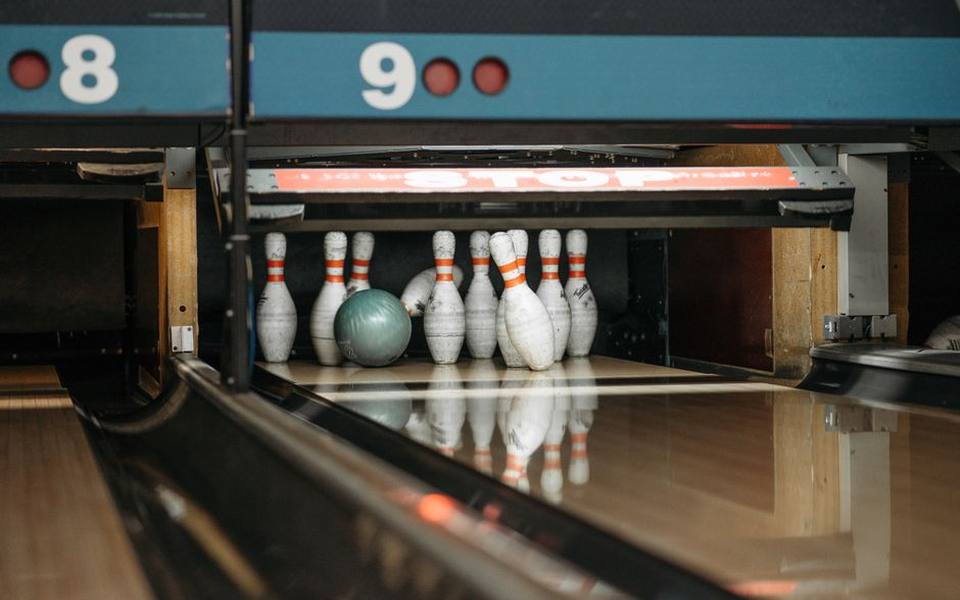 Scoring
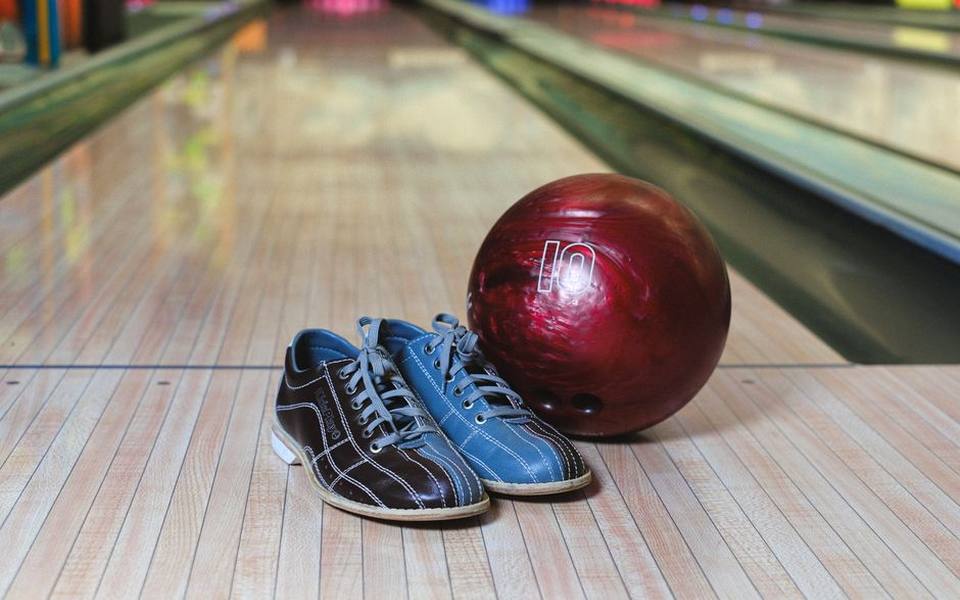 Equipment